Academics at Immaculate Conception Regional School
Focused on developing critical thinking, a growth mindset, curiosity, perseverance, and a love of learning.
- Rigorous and challenging. We have high expectations for growth and performance.
- Differentiated to challenge every student at their level. We employ Universal Design, Multi-Tiered System of Support (MTSS), and a student support team to help every child thrive.
- Research-based and aligned with state and national standards.
- Project-based, creative, and engaging.
- Infused with Catholic Social Teaching so that student can frame their knowledge with a strong moral and ethical foundation of service to God and others.
Preschool
Primary School (K-2)
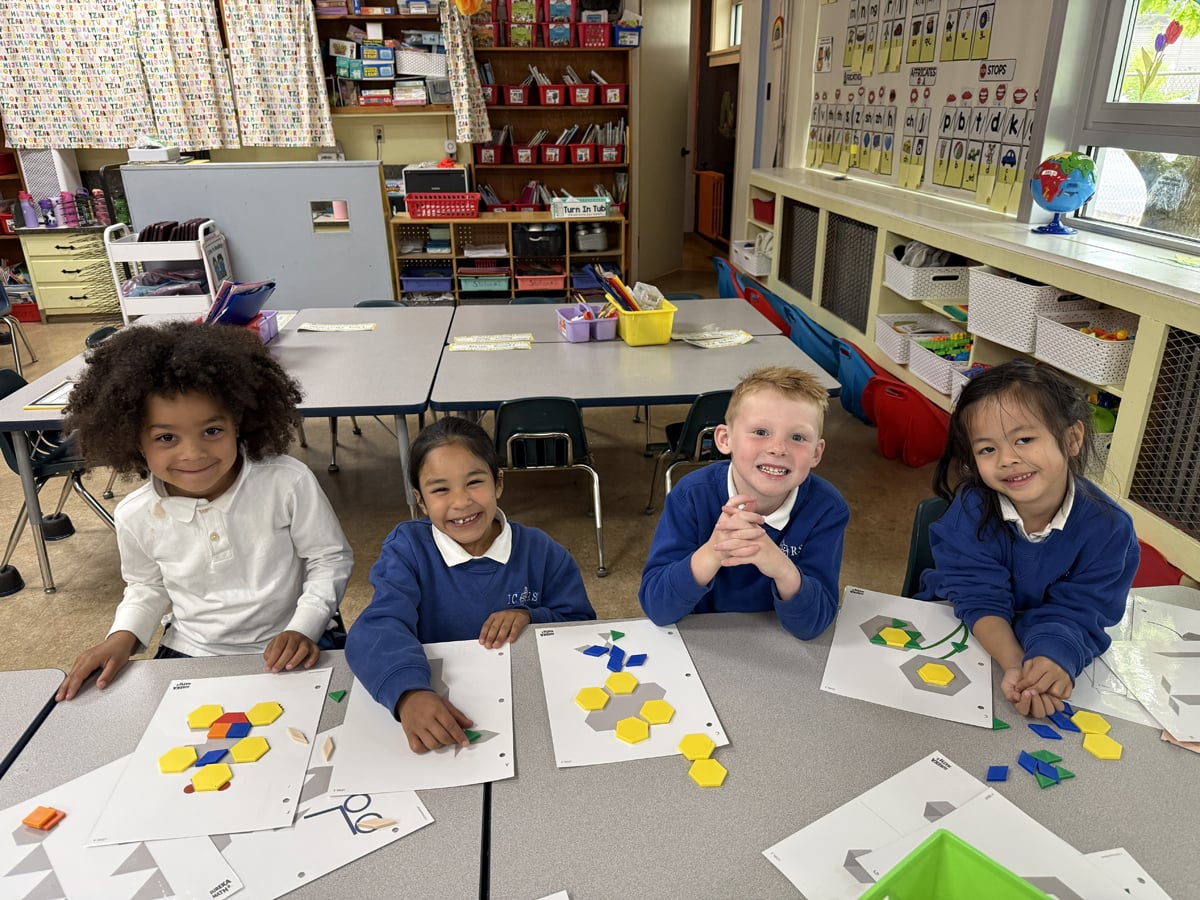
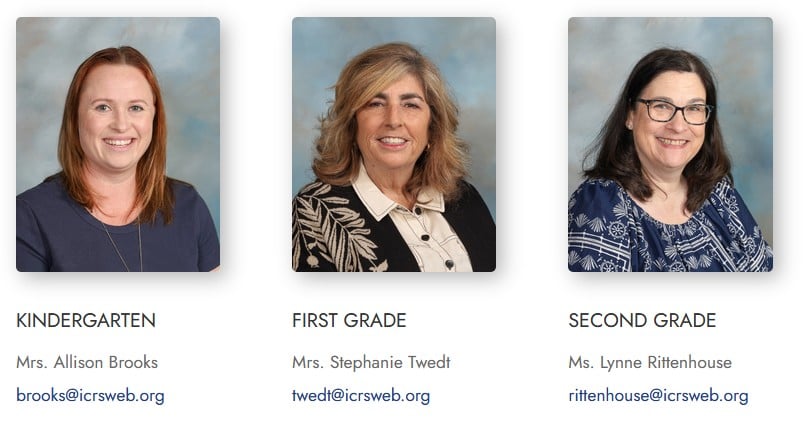
Our Kindergarten through 2nd grade program nurtures the whole child in a joyful, supportive environment. They are learners, they are faithful, and they are kind. Rooted in Catholic values, students grow in their relationship with God through prayer, Bible stories, sacraments, and sacred tradition.
Academically, early learners build strong foundations in reading, writing, and math. They develop essential literacy skills through the Science of Reading. These skills include phonemic awareness, comprehension, vocabulary, and fluency. Narrative, informational, and opinion writing assignments are integrated throughout the curriculum. Math instruction strongly focuses on fluency, number sense, problem-solving, and real-world applications.
Science and social studies spark curiosity about the world through hands-on exploration of topics like plants, animals, communities, and current events.
An important focus of the K-2 grade band is that students grow socially and emotionally by learning to collaborate, manage challenges, and treat others with kindness and respect. By the end of 2nd grade, children are confident learners, compassionate classmates, and active participants in both their faith and school community.
Intermediate School (3-5)
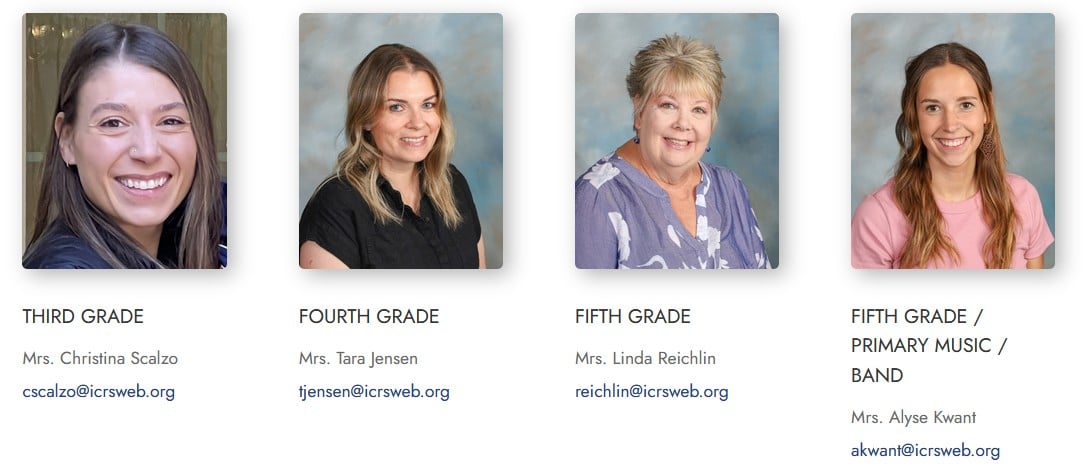
Our 3rd through 5th grade program is a time of growing independence, deeper thinking, and strengthening faith. Students continue to develop their relationship with God through the study of Scripture, the sacraments, and Catholic traditions, while learning meaningful prayers, virtues, and relationship building.
Academically, students build strong skills across all subject areas. In reading, they transition to longer passages that build stamina. Through the use of novel studies, we focus on literary devices, figurative language, character analysis, and plot development. This supports stronger comprehension and develops critical thinking skills. Students grow in their ability to express their ideas through structured writing and research. Math instruction deepens understanding of multiplication, division, fractions, decimals, and problem-solving through Building Thinking Classrooms and collaborative learning.
Science and social studies encourage discovery. Science topics range from life cycles, salmon habitat, the human body, and chemical reactions. Local communities, Washington state, and early American history are areas of exploration for social studies.
Throughout these years, students are challenged to think critically, work collaboratively, and take greater ownership of their learning. With an emphasis on character development, growth mindset, and leadership skills, our intermediate students are well-prepared for the transition to middle school—confident in their abilities and grounded in their faith.
Middle School (6-8)
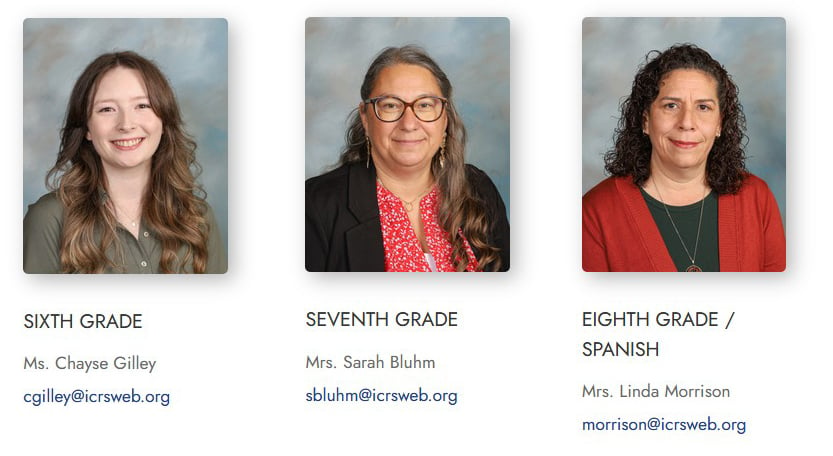
Our middle school program (grades 6–8) is a time of meaningful growth as students deepen their faith, expand their knowledge, and discover and apply their leadership skills. Embedded in Catholic tradition, students journey through Scripture, from the Old Testament to the life of Christ and the history of the Church, while exploring prayer, morality, the sacraments, and Catholic Social Teaching. Service is integral to this experience, helping students express their faith in tangible ways.
Academically, students are challenged to think critically and engage deeply across all subjects. They analyze rich and diverse literature, such as classic novels, short stories, and non-fiction texts. Structured essays and research projects reinforce their writing. ICRS middle school has an accelerated math program that includes geometry. The math program focuses on student achievement through the use of Building Thinking Classrooms that reinforce Common Core standards like algebraic thinking, problem solving, and real-world application.
Social Studies and science come alive through hands-on labs, projects, and exploration of topics such as ancient civilizations, world cultures, U.S. history, earth science, biology, and chemistry. The Science, Engineering, and Cultural Fair gives students opportunity to show their learning through public presentations. Outdoor education is an integral component that spans across the curriculum and gives students an opportunity to witness learning outside of the classroom.
As they prepare for high school, students are encouraged to take ownership of their learning, grow in independence, and become thoughtful, responsible leaders. With emphasis on character, service, and academic excellence our middle school students are equipped with the confidence and faith foundation needed for future success.
Specialist
Library
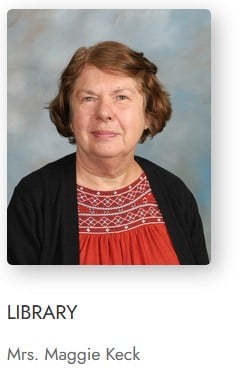
The ICRS Library fosters a love of reading while equipping students with the literacy, research, and digital skills needed for lifelong learning. Students receive personalized reading guidance and book recommendations based on their interests and reading levels while learning strategies that strengthen comprehension and critical thinking. Through exposure to diverse literature, students broaden their perspectives, build empathy, and develop a deeper appreciation for the world around them.
The school librarian collaborates closely with classroom teachers to align library resources with curriculum, support research projects, and enhance classroom instruction. Students also learn to use digital tools, databases, and online resources safely, responsibly, and effectively through instruction in digital citizenship, online safety, and the ethical use of information.
By partnering with teachers and specialists across all grade levels, the library serves as an extension of the classroom, promoting literacy, curiosity, and inquiry while helping students develop the skills and confidence to become thoughtful readers, responsible digital citizens, and lifelong learners.
Physical Education
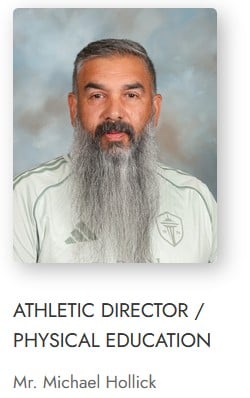
At ICRS, Physical Education provides students with opportunities to develop motor skills, improve physical fitness, and build knowledge of health and wellness. Through age-appropriate activities, sports, games, and movement experiences, students learn the value of teamwork, sportsmanship, leadership, and perseverance while fostering lifelong healthy habits. Rooted in our Catholic values, the program encourages students to care for their bodies as gifts from God and promotes respect, inclusion, and positive character development both on and off the playing field.
Technology
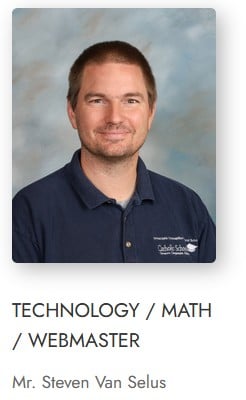
Aligned with our mission to teach the whole child, ICRS balances teaching technology skills with teaching the moral and critical thinking skills that are required to interact with technology in a moral and responsible manner. Technology is a tool that must be used responsibly and with wisdom.
ICRS offers technology instruction for grades K-8. Students go to a specialist weekly. Grades K-1 learn TuxPaint. Grades 2-4 learn Dance Mat Typing, Typing Club, the Google Suite, Code.org, and Scratch. Grades 5-8 learn TypeRacer, the Microsoft Suite, Inkscape, and Memento. Students in grades 6-8 can take technology as an elective where they learn NotePad++, Copilot, FL Studio, and Aseprite.
Students are also taught digital literacy and digital citizenship in their library and homeroom classes. The ICRS technology committee, made up of parents who work in the field, helps guide ICRS staff and parents in teaching the ethical and wise use of technology. At ICRS, we respond to the ever-changing tech landscape with our Catholic values in mind.
Art
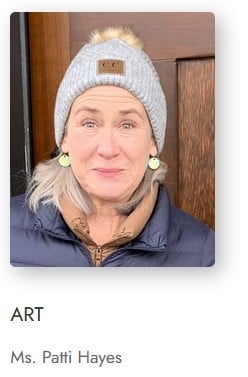
At ICRS, the PreK–8 Visual Arts program is rooted in providing a high-quality arts education that fosters creativity, skill development, and self-expression. Students engage in a wide variety of hands-on artistic experiences, working in both two-dimensional and three-dimensional forms to explore the many possibilities of visual art.
Through a scaffolded curriculum, students build foundational skills while expanding their creativity through activities such as origami, color theory, painting, printmaking, clay construction, weaving, and other craft-based projects. Each lesson is designed to encourage imagination, problem-solving, and artistic confidence while helping students develop technical skills over time.
The visual arts classroom is also a place where students grow as a community of learners. Emphasis is placed on responsibility, respect, and autonomy—encouraging students to care for classroom materials, honor one another’s ideas, and contribute positively to a supportive and creative learning environment.
Music
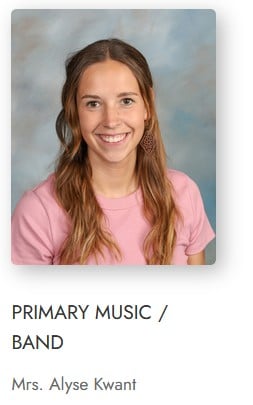
At ICRS, music is an essential part of educating the whole child—nurturing creativity, discipline, confidence, and joy while supporting academic, social, and emotional growth. In a time when many schools are scaling back the arts, ICRS proudly invests in a strong and vibrant music program that helps students discover their unique talents and develop a lifelong appreciation for music.
Beginning in Kindergarten and continuing through 8th grade, students build a strong foundation in rhythm, melody, performance, and music literacy. The strength of the ICRS music program lies in its intentional progression and meaningful opportunities for every student to grow as a musician.
A unique highlight of the program is the 5th grade instrumental requirement, where every student learns to play an instrument—giving all children the opportunity to explore music beyond the classroom and develop important life skills through active music-making. In middle school, students continue their musical growth through the Concert Band elective, strengthening technique, teamwork, and confidence through performance. Students also have opportunities to perform in traditional concerts and serve the community by sharing music at local nursing homes.
At ICRS, the music program is an investment in developing confident, well-rounded students equipped with the creativity, discipline, and collaboration skills that support success in school and beyond.
Spanish
Students in K-5 participate in weekly Spanish instruction designed to build language skills through a spiraled learning approach. Throughout the year, they strengthened their understanding of foundational vocabulary and concepts, including prayers, numbers, colors, shapes, the alphabet, and body parts, while expanding their knowledge through thematic units such as emotions, calendar concepts, school items, animals, sports, professions, and transportation. Students also explore cultural traditions and celebrations from Spanish-speaking countries, fostering an appreciation for the diversity of God’s world and the people who inhabit it.
Middle school students can choose Spanish as an elective and begin their journey toward becoming confident communicators in a second language. This course is built on a communicative approach that develops the four essential language skills: speaking, listening, reading, and writing, through meaningful, real-world interactions and activities. In addition to language acquisition, the course encourages students to grow in their appreciation of the rich cultures, traditions, and perspectives of Spanish-speaking communities. As a Catholic school, we value the opportunity to foster respect for the dignity of all people and an understanding of the diversity of God’s family across cultures and nations.
Grading And Homework
Grading
- Grades K – 4th use standards-based grading: 3 (meets standard), 2 (approaches standard), and 1 (below standard)
- Grades 5th-8th use traditional grades: A, B, C, D and F
Grading Scale for Grades 5th – 8th
100-95 (A); 94-92 (A-); 91-89 (B+); 88-85 (B); 84-82 (B-); 81-79 (C+); 78-75 (C); 74-72 (C-); 71-69 (D+); 68-65 (D); 64-62 (D-); 61 and below (F)
Honor Roll
- Students in grades 5-8 are eligible for Honor Roll
- “Principal’s List” students have earned a GPA of 3.90-4.0
- “First Honors” students have earned a GPA of 3.70-3.89
- “Second Honors” students have earned a GPA of 3.50-3.69
Homework
The ICRS faculty is committed to assigning homework that is authentic and relates to the learning concepts that are taught in the classroom. Homework assignments are considered an extension of classroom work and are a means of reinforcement and, with few exceptions, can be completed by the student on his or her own.
Reading at home is crucial for learning, and parents should encourage it, especially if the child has no homework on a particular evening.
Studying for tests and quizzes is also an essential part of the homework process. Much can be accomplished if parents help foster systematic home study habits in their children and provide adequate study space, lighting, and a proper environment free from distraction.
Homework is assigned beginning in grade one. As your child progresses in school, more homework is assigned. Each teacher has expectations and procedures for dealing with homework and with late or incomplete work.
Students should always do their own homework, but parents may check it or review it with their child. Long-range projects should be completed gradually, both at school and at home. Generally, homework will not be assigned on weekends or when evening programs such as the Christmas program are scheduled.
Recommended length of time that students should spend on homework on weeknights:
Grades 1-3: 10-30 minutes
Grades 4-5: 30-60 minutes
Grades 6-8: 60-90 minutes
- Students in 5th – 8th grade are responsible for writing their homework for each class in the assignment notebook they receive in September.
- If a student consistently spends more time than is recommended in truly studying (without television and other distractions), the teacher should be notified, and adjustments will be considered.
- Various assignments and long-term projects may involve homework on the weekends. The teacher will monitor the progress of long-term projects.
- Middle school students (Grades 6th–8th) may periodically expect homework on the weekends, and it may be advantageous to complete assignments outside of the school week.
Learning Support
Measures of Academic Progress (MAP) Testing
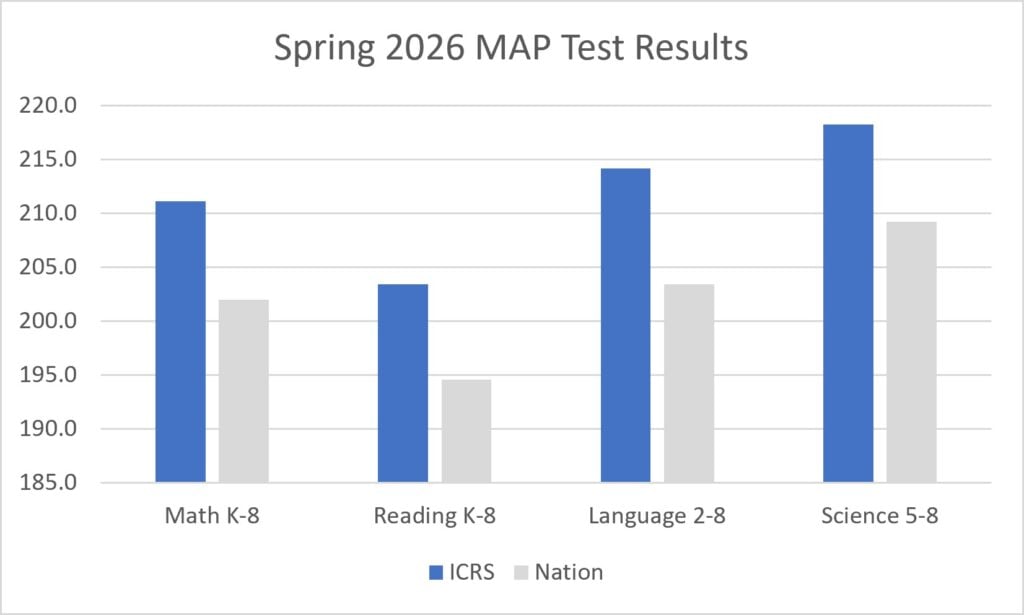
ICRS uses Measures of Academic Progress (MAP) assessments to monitor academic growth and guide instruction. Students in 2nd–8th grade participate in MAP testing each fall and spring, while 1st graders begin testing in the winter.
MAP assessments provide valuable insights into each student’s academic progress and help teachers tailor instruction to meet individual learning needs. While standardized test scores are just one measure of success, they offer important data that helps ICRS ensure every student is challenged and supported.
Year after year, ICRS students demonstrate exceptional academic growth. While many begin slightly above the national average, they consistently perform well above national norms by 8th grade. Students not only achieve at high levels but also make remarkable academic gains over time, reflecting the school’s commitment to personalized instruction, high expectations, and helping every child reach their full potential. At ICRS, success is measured not only by achievement, but by each student’s individual growth.